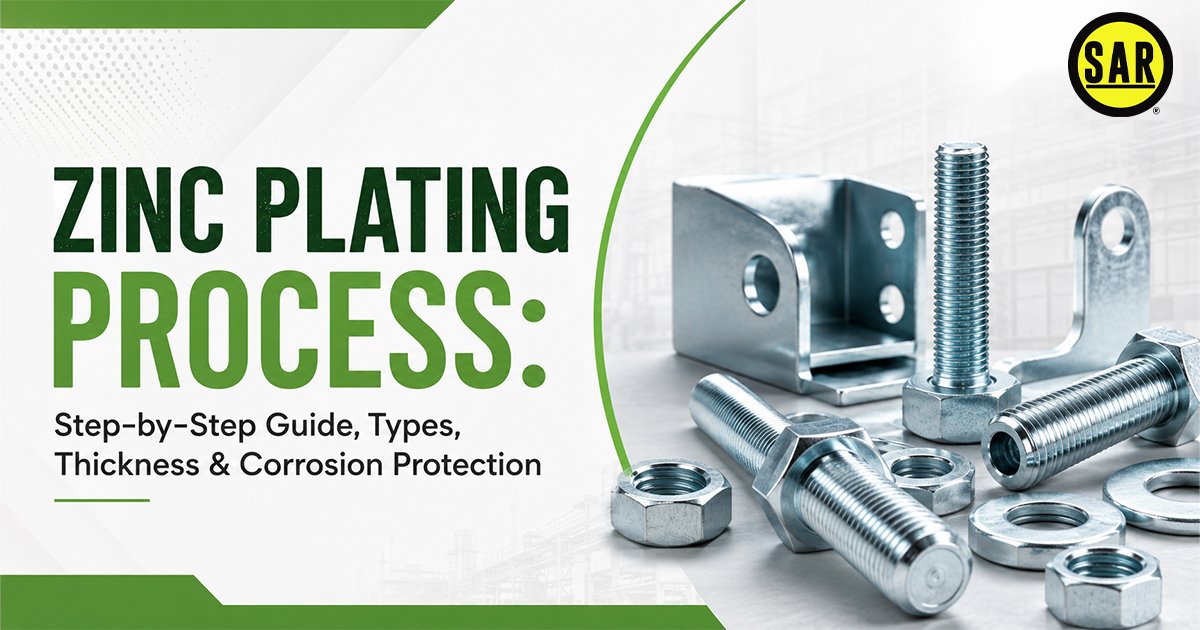
Zinc Plating Process: Step-by-Step Guide, Types, Thickness & Corrosion Protection
Zinc plating is one of the most widely used surface finishing processes for protecting steel and iron components from corrosion. It provides a protective zinc coating that helps extend component life while also improving appearance and surface performance.
The zinc plating process involves several carefully controlled stages, including cleaning, surface preparation, electroplating, rinsing, passivation, drying, and inspection. The final coating thickness, finish, and corrosion resistance depend on factors such as the plating method, component design, plating chemistry, and required performance.
In this guide, we explain the zinc plating process step by step, the different types of zinc plating, coating thickness, finishes, corrosion protection, applications, and important factors to consider when selecting zinc plating.
What Is Zinc Plating?
Zinc plating, also known as zinc electroplating, is a surface treatment process in which a thin layer of zinc is deposited onto a metal component, typically steel or iron.
The zinc coating provides corrosion protection because zinc is more reactive than steel. When exposed to corrosive conditions, zinc preferentially corrodes, helping protect the underlying steel. This is commonly referred to as sacrificial protection.
Zinc plating is commonly used for:
- Fasteners and bolts
- Nuts and washers
- Automotive components
- Machine parts
- Brackets and fabricated components
- Electrical and electronic hardware
- Industrial equipment
- Precision metal components
Unlike hot-dip galvanizing, zinc plating generally produces a thinner and more controlled coating, making it suitable for components where dimensional accuracy and surface appearance are important.
How Does the Zinc Plating Process Work?
The zinc plating process uses an electrolytic reaction to deposit zinc onto the surface of a conductive metal component.
The component is connected to the appropriate electrode and immersed in a zinc-containing plating solution. When electrical current passes through the plating bath, zinc ions are reduced and deposited onto the component's surface.
However, achieving a reliable zinc coating involves much more than simply placing a component into a plating bath. Proper cleaning, activation, plating control, post-treatment, and inspection are essential for producing a durable coating.
Zinc Plating Process: Step-by-Step
1. Cleaning and Degreasing
The first step is to remove oil, grease, dirt, dust, and other contaminants from the component.
Industrial components often arrive with machining oils, lubricants, fingerprints, rust, or other surface contaminants. If these contaminants remain on the surface, they can interfere with zinc deposition and lead to defects such as poor adhesion, uneven coating, or bare areas.
Cleaning may involve alkaline cleaners, detergents, or other specially selected chemical solutions.
2. Pickling and Surface Activation
After cleaning, the component may undergo acid pickling or activation.
This stage removes:
- Rust
- Oxides
- Scale
- Remaining surface contamination
Surface activation prepares the metal for the plating stage and helps ensure good adhesion between the base metal and zinc coating.
The exact treatment depends on the material, condition, and specifications of the component.
3. Zinc Electroplating
This is the primary stage of the zinc plating process.
The prepared components are placed into a zinc plating bath containing an appropriate electrolyte and zinc ions. Electrical current causes zinc to deposit onto the component surface.
The plating parameters must be carefully controlled because factors such as current density, plating time, bath chemistry, temperature, and component geometry can affect the final coating.
Proper process control helps achieve:
- Uniform zinc deposition
- Consistent coating thickness
- Good adhesion
- Required appearance
- Desired corrosion protection
4. Rinsing
After zinc plating, components are thoroughly rinsed to remove residual plating solution and chemicals.
Effective rinsing is important because chemical residues can affect subsequent treatments and the final appearance of the component.
5. Passivation
Passivation is a post-treatment applied to zinc-plated components to improve corrosion resistance and provide the required appearance.
Depending on the specification, different passivation finishes may be used, including clear or blue, yellow, and black finishes.
Modern passivation systems can provide enhanced corrosion protection compared with untreated zinc surfaces.
6. Drying
After rinsing and post-treatment, components are dried under controlled conditions.
Proper drying helps prevent water spots and other surface defects while preparing the components for inspection and packaging.
7. Inspection and Quality Control
The final stage is inspection.
Depending on customer requirements and application, zinc-plated components may be checked for:
- Coating thickness
- Surface appearance
- Adhesion
- Corrosion resistance
- Coverage
- Dimensional requirements
- Plating defects
Quality control is particularly important for components used in automotive, engineering, industrial, and other demanding applications.
Types of Zinc Plating
Different zinc plating systems can be selected depending on component requirements, geometry, appearance, and corrosion performance.
Acid Zinc Plating
Acid zinc plating is known for its high deposition rate and attractive appearance.
It can provide good brightness and coverage and is commonly used for a wide range of steel components.
Alkaline Zinc Plating
Alkaline zinc plating provides good coating distribution and can be particularly useful for components with complex geometries.
The choice between acid and alkaline zinc plating depends on factors such as component shape, required appearance, coating specifications, and production requirements.
Zinc-Iron Plating
Zinc-iron coatings combine zinc with a small amount of iron to provide enhanced performance for certain applications.
They can be used where improved corrosion resistance and specific surface characteristics are required.
Zinc-Nickel Plating
Zinc-nickel plating contains zinc and nickel and is generally selected for applications requiring higher corrosion resistance and performance than conventional zinc plating can provide.
It is widely associated with demanding automotive and industrial applications.
Zinc Plating Thickness
Zinc plating thickness is an important factor in determining corrosion protection, dimensional impact, and suitability for a particular application.
The required thickness depends on:
- Environmental exposure
- Component material
- Component geometry
- Required corrosion resistance
- Dimensional tolerances
- Customer specifications
- Applicable industry standards
A thicker zinc coating does not automatically mean the best solution for every component. The coating needs to be selected according to the component's actual service conditions and technical requirements.
For precision components, excessive coating thickness may affect dimensions, threads, fits, or assembly.
For this reason, coating thickness should be specified and verified according to the requirements of the application.
Zinc Plating Finishes
Zinc-plated components can be supplied with different finishes depending on the required appearance and performance.
Common finishes include:
Clear or Blue Passivation
Clear or blue passivation generally provides a clean, silver or slightly bluish appearance and is widely used for general industrial applications.
Yellow Passivation
Yellow or iridescent finishes have traditionally been used where a distinctive appearance and additional corrosion protection are required.
Black Zinc Plating
Black zinc finishes are selected where a darker appearance is required. They can also be combined with suitable post-treatments to improve corrosion performance.
The appropriate finish should be selected based on both appearance and technical requirements.
How Does Zinc Plating Protect Against Corrosion?
The main purpose of zinc plating is to protect the underlying steel from corrosion.
Zinc protects in two primary ways.
Barrier Protection
The zinc coating creates a physical barrier between the steel surface and the surrounding environment.
This reduces direct exposure of the steel to moisture and corrosive substances.
Sacrificial Protection
Zinc is more chemically active than steel. If the coating becomes damaged or scratched, zinc can preferentially corrode and provide sacrificial protection to the exposed steel in many environments.
This combination of barrier and sacrificial protection makes zinc plating a widely used corrosion-control method.
Rack Zinc Plating vs Barrel Zinc Plating
The method used to hold components during plating can influence coating distribution, production efficiency, and suitability.
Rack Zinc Plating
In rack plating, components are individually mounted on racks before entering the plating line.
Rack plating is generally suitable for:
- Larger components
- Delicate parts
- Components requiring controlled positioning
- Parts where appearance is important
- Components that could be damaged by tumbling
Barrel Zinc Plating
In barrel plating, smaller components are placed inside a rotating barrel during processing.
Barrel plating is commonly used for:
- Bolts
- Nuts
- Washers
- Small brackets
- Large quantities of small components
It can provide an efficient solution for high-volume production.
The correct method depends on component size, geometry, quantity, handling requirements, and quality specifications.
Common Zinc Plating Defects
Proper process control is essential because several defects can occur if plating parameters or surface preparation are not properly controlled.
Common problems include:
- Uneven coating thickness
- Poor adhesion
- Bare areas
- Burning
- Staining
- Blistering
- Pitting
- Discoloration
- Thread buildup
- Inadequate corrosion resistance
Many plating defects can be linked to inadequate cleaning, incorrect current density, poor bath control, contamination, improper rinsing, or unsuitable post-treatment.
A controlled plating process and appropriate inspection procedures help reduce these issues.
Applications of Zinc Plating
Zinc plating is widely used across manufacturing and engineering industries.
Automotive Industry
Zinc plating is commonly used for various automotive hardware and components where corrosion protection and dimensional control are important.
Fasteners
Bolts, nuts, screws, washers, and other fasteners are frequently zinc plated to improve corrosion resistance and provide a suitable surface finish.
General Engineering
Machine components, brackets, shafts, fittings, and fabricated parts may use zinc plating to protect steel surfaces from corrosion.
Electrical and Industrial Components
Zinc plating can also be used on selected electrical hardware, industrial components, and fabricated metal parts.
Advantages of Zinc Plating
Some of the main advantages of zinc plating include:
- Good corrosion protection
- Sacrificial protection of steel
- Attractive surface finishes
- Controlled coating thickness
- Suitable for many steel components
- Good dimensional control compared with thicker coating processes
- Available in different finishes
- Suitable for rack and barrel processing
- Widely used across industrial applications
Limitations of Zinc Plating
Zinc plating is not suitable for every application.
Potential limitations include:
- Performance can vary depending on the environment
- Very harsh environments may require a more advanced coating system
- Coating thickness must be controlled on precision components
- Complex geometries can create challenges for uniform coating distribution
- Proper surface preparation is essential
- Hydrogen-related risks need to be considered for certain high-strength steel components
The best coating system should therefore be selected according to the component material, operating environment, performance requirements, and applicable specifications.
Zinc Plating vs Hot-Dip Galvanizing
Zinc plating and hot-dip galvanizing both use zinc to protect steel, but they are different processes.
Zinc plating generally produces a thinner, more controlled coating and is often preferred for smaller or precision components where appearance and dimensional control are important.
Hot-dip galvanizing involves immersing steel into molten zinc and generally produces a substantially thicker zinc coating. It is commonly selected for structural steel and applications requiring robust outdoor corrosion protection.
The right process depends on the component, environment, required coating thickness, and performance requirements.
How to Choose the Right Zinc Plating Process
Before selecting a zinc plating process, consider the following:
Component Material
The base metal and its condition can affect surface preparation and plating requirements.
Component Geometry
Complex shapes, holes, recesses, threads, and internal surfaces can influence coating distribution.
Required Corrosion Resistance
The expected service environment should be considered when selecting the zinc system, thickness, and post-treatment.
Dimensional Requirements
For precision components, coating thickness must be controlled to avoid interference with threads, fits, and assembly.
Required Appearance
Clear, blue, yellow, or black finishes may be selected depending on customer and application requirements.
Production Volume
Rack and barrel plating may be selected differently depending on component size, quantity, handling requirements, and production efficiency.
Industry Standards and Customer Specifications
Always consider applicable standards and customer-specific requirements before finalizing the plating specification.
Why Professional Zinc Plating Matters
A reliable zinc plating result depends on much more than the plating bath itself.
Surface preparation, chemical control, current density, coating thickness, post-treatment, rinsing, drying, and inspection all contribute to the final performance of the component.
Working with an experienced plating provider can help ensure that the selected process is appropriate for the component and its intended application.
Frequently Asked Questions About Zinc Plating
What is the zinc plating process?
The zinc plating process is an electrochemical process in which zinc is deposited onto a metal component, usually steel or iron. The process typically includes cleaning, surface preparation, electroplating, rinsing, passivation, drying, and inspection.
How thick is zinc plating?
Zinc plating thickness varies depending on the component, application, corrosion requirements, dimensional tolerances, and applicable specifications. The required thickness should be defined according to the component's service conditions and technical requirements.
Does zinc plating prevent rust?
Zinc plating provides corrosion protection and helps prevent the underlying steel from rusting. It protects through a combination of barrier and sacrificial protection. However, the service life depends on coating thickness, passivation, environment, and other factors.
What is the difference between zinc plating and galvanizing?
Zinc plating uses an electrochemical process to deposit zinc onto a component, generally producing a thinner and more controlled coating. Hot-dip galvanizing immerses steel in molten zinc and generally produces a thicker coating.
What are the common zinc plating finishes?
Common finishes include clear or blue, yellow, and black. The appropriate finish depends on the required appearance, corrosion resistance, and application.
Is zinc plating suitable for automotive components?
Yes. Zinc plating is widely used for various automotive components and hardware where corrosion protection, appearance, and dimensional control are required. For more demanding environments, zinc-nickel plating may be considered.
Conclusion
The zinc plating process is a versatile surface finishing solution for protecting steel and iron components from corrosion while providing a controlled and attractive surface finish.
From cleaning and surface activation to electroplating, passivation, and final inspection, every stage contributes to the quality and performance of the finished coating.
Selecting the right zinc plating type, thickness, finish, and processing method depends on the component's material, geometry, operating environment, dimensional requirements, and corrosion protection needs.
For manufacturers and engineers, understanding these factors is essential for choosing a zinc plating solution that provides reliable performance and long-term value.
If you are evaluating zinc plating for industrial, automotive, engineering, or other metal components, the right plating process should always be selected based on the specific requirements of the application.
Latest News
Why Corrosion Protection Is a…
30/09/2026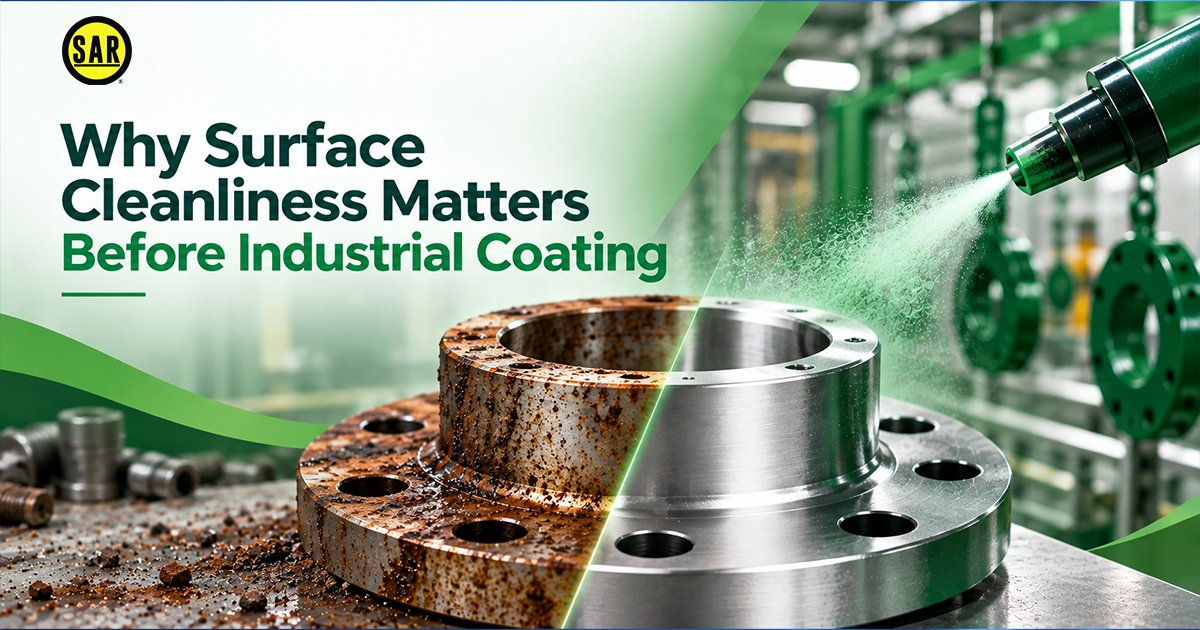
Why Surface Cleanliness Matters Before…
16/09/2026